


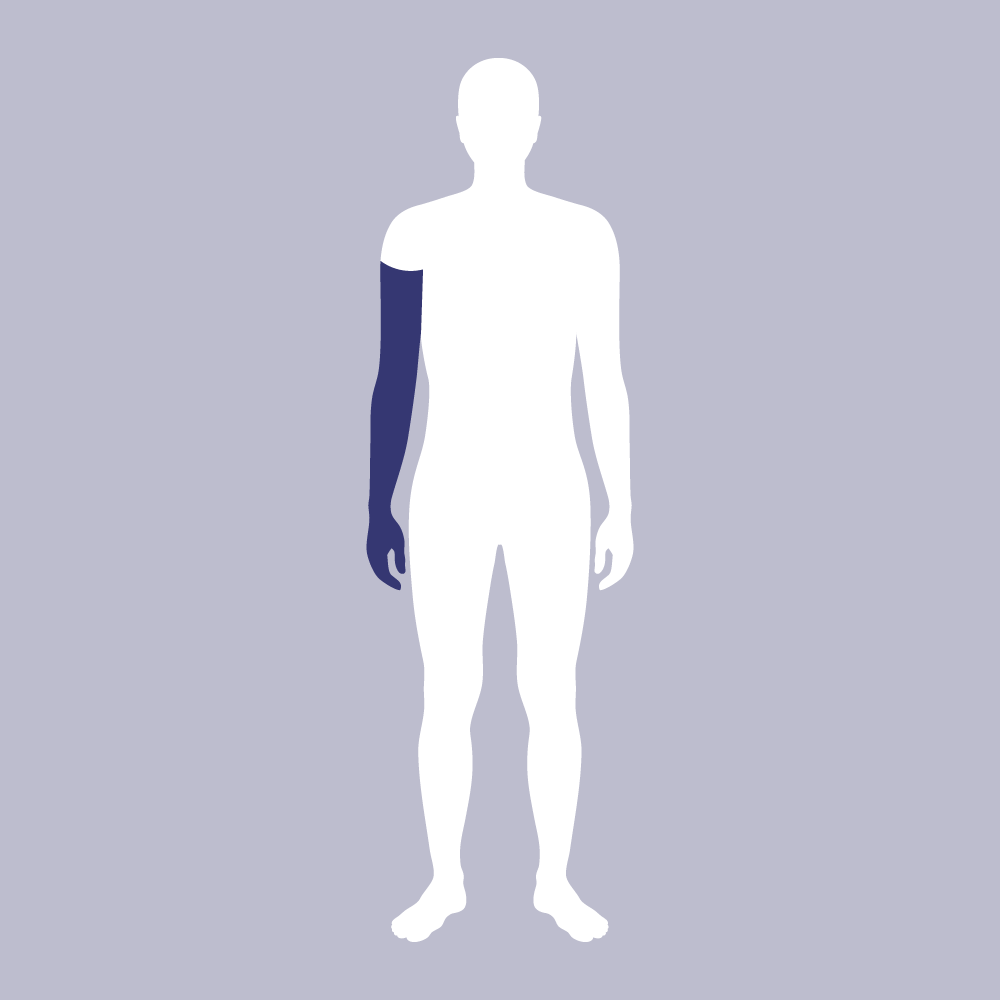
Arms
Upper Extremity Regional Blocks
These blocks are intended to numb most of the arm and/or shoulder to aid in reducing your discomfort after surgery. A block may be recommended by your surgeon or anesthesia provider and is frequently performed prior to your procedure with mild sedation medications. An ultrasound machine is used to confirm the placement of the medication and to reduce nerve injury. There are rare risks of medication reactions, local anesthetic toxicity, transient nerve injury, bleeding, and infection. The effect of the block typically lasts 8-24 hours with patients often describing the sensation as “numbness,” “a heavy arm,” “aching numbness,” or “pins & needles.” We recommend taking the pain medication your surgeon has prescribed by the 8 hour mark after block placement.
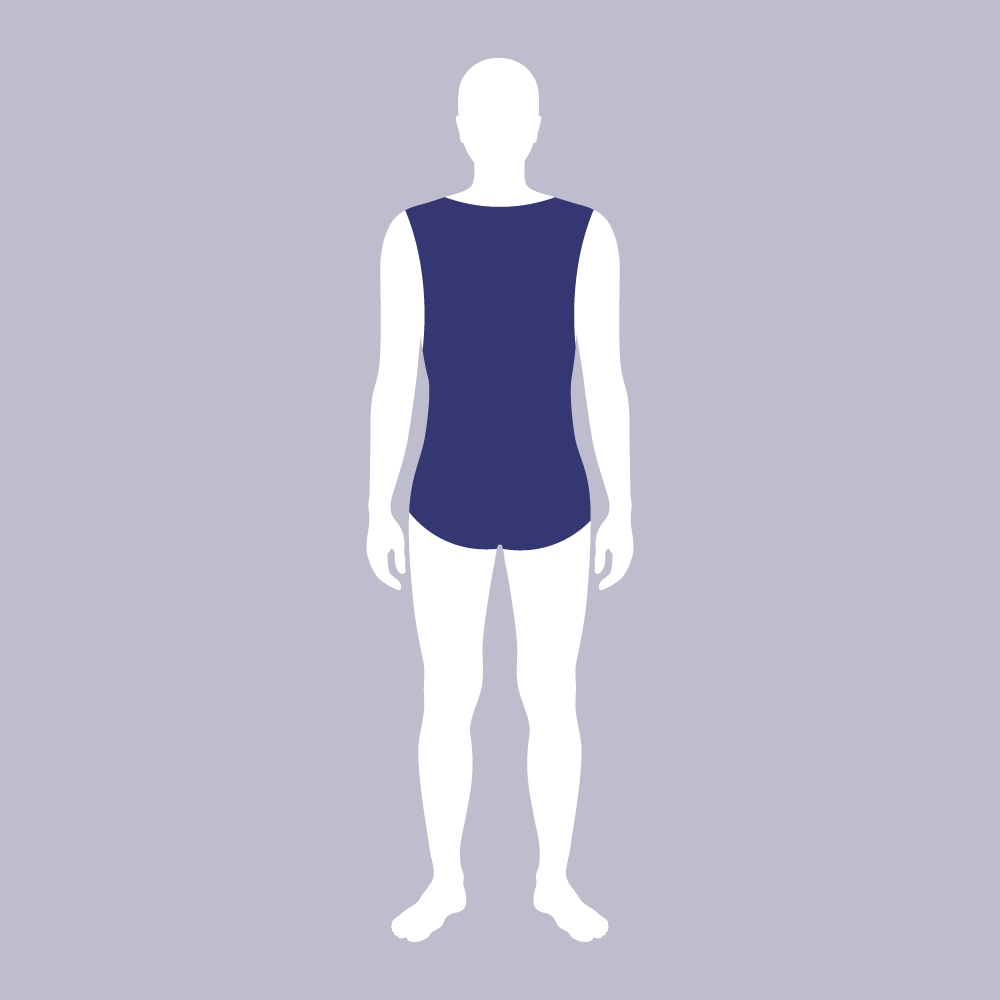
Chest & Abdomen
Torso Regional Blocks
To aid in reducing postoperative discomfort, providing a block or numbness to a portion of your chest or abdomen may be suggested by your surgeon or anesthesia provider. An ultrasound machine is used to confirm the placement of the medication and to reduce nerve injury. There are rare risks of medication reactions, local anesthetic toxicity, transient nerve injury, bleeding, lung or bowel injury, and infection. The effect of the block typically lasts 8-24 hours. We recommend taking the pain medications your surgeon has prescribed by the 8-hour mark after block placement.
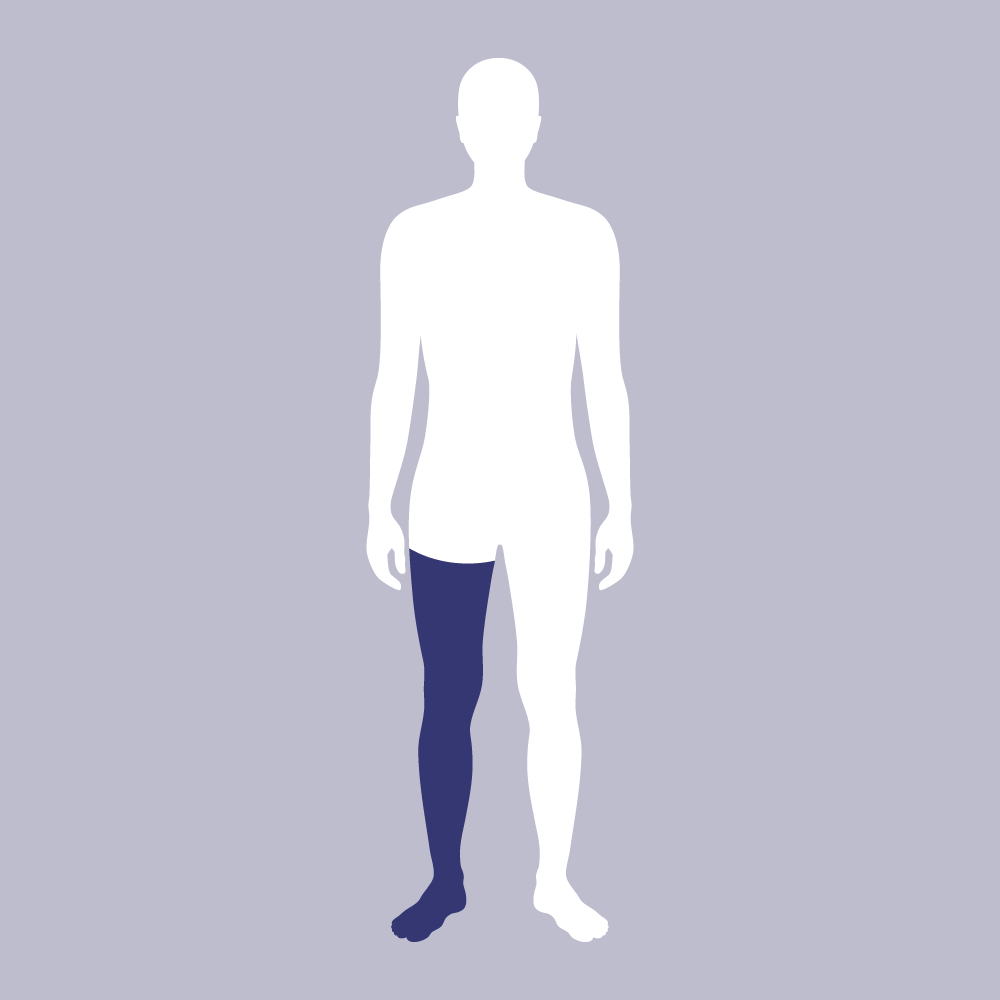
Legs
Lower Extremity Regional Blocks
Depending on the location of your surgery and the type of block utilized, you will experience numbness on a portion of your thigh and knee OR numbness of a portion of your foot. A block may be recommended by your surgeon or anesthesia provider and is frequently performed prior to your procedure with mild sedation medications. An ultrasound machine is used to confirm the placement of the medication and to reduce nerve injury. There are rare risks of medication reactions, local anesthetic toxicity, transient nerve injury, bleeding, and infection. The effect of the block typically lasts 8-24 hours with patients often describing the sensation as “numbness,” “heavy leg/foot,” “aching numbness,” or “pins & needles.” We recommend taking the pain medication your surgeon has prescribed by the 8-hour mark after block placement.
For any questions or concerns after anesthesia, please contact the facility where your procedure was performed.
Your anesthesia provider looks forward to
meeting & taking care of you
Before your procedure date, you may be asked or may request to make an appointment to meet with a member of our department. We may also require additional testing or evaluations in order to be able to provide the safest anesthesia care.
Immediately before your procedure, you will meet your anesthesia provider to discuss and finalize the best anesthetic plan for you. Your health, safety, and comfort are our priorities. Our anesthesia team is dedicated to providing you with the highest level of medical care.